Cold coagulation uses heat
The probe transfers heat to the target tissue. Cold coagulation is not freezing or cryotherapy.

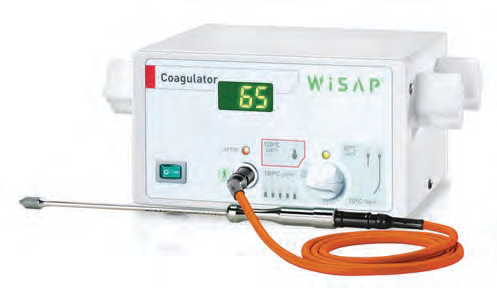
WISAP 6001, also known as the Cold Coagulator, is an electrically powered cervical thermal treatment system with a 60–120°C range and selectable therapy probes. Intended for appropriately assessed patients within the supplied system’s indications.
The probe transfers heat to the target tissue. Cold coagulation is not freezing or cryotherapy.
A 60–120°C adjustment range supports selection according to the probe, intended use and applicable instructions.
Different probe designs address different contact areas and applications. Specify the exact reference for the procedure.
The 3.6 kg unit uses mains power and an instrument cable. Plan the power supply and validated probe-care workflow.
| Specification | Details / value and unit |
|---|---|
| Model / reference | 6001 |
| Temperature range | 60–120°C |
| Temperature regulation | Stepless |
| Standard mains supply | 230 V · 50/60 Hz |
| Power input | 66 VA |
| Dimensions W×H×D | 270 × 120 × 190 mm |
| Weight | 3.6 kg |
| Housing | Stainless steel / coated aluminium |
| Instrument cable | 6020 · 1.5 m |
Confirm the mains voltage and country-specific power cord in the quotation.
Orange silicone cable with two coupling plugs, 1.5 m long. Confirm whether included or supplied separately.
The supplied literature includes 6002–6009 and a 6010 option in another selection. Confirm the current design, intended use and quantity; all probes are not automatically included.
Thermal treatment destroys target tissue in appropriately selected cervical ablation cases. CIN grade and HPV results inform assessment; neither automatically makes every patient eligible.
Assess transformation-zone and lesion visibility and whether the probe can reach the treatment area. Suspected invasive cancer or glandular disease requires appropriate evaluation rather than ablation in place of diagnosis.
Ablation destroys the target tissue; LEEP/LLETZ excises tissue for histological examination. Selection depends on diagnostic needs, lesion extent and the clinical plan.
Probe options include haemostasis applications after conisation or LEEP/LLETZ where supported. Specify this application separately from precancer ablation.
Specify the 6001 unit, voltage, cable 6020 and probe references and quantities, together with validated reprocessing, training, acceptance and maintenance requirements.
WISAP Cervix Coagulator 6001 and Cold Coagulator product literature
https://wisap.de/thermo-coagulation/
WHO: thermal ablation for cervical pre-cancer lesions
https://www.who.int/publications-detail-redirect/9789241550598
Reviewed 10 November 2026. Confirm current labelling and the supplied model’s IFU.
It applies heat through a probe. Despite the name, it is not cryotherapy or freezing.
The 6001 is mains powered, with standard 230 V 50/60 Hz supply. Do not substitute C3 or other model specifications.
No. Surveillance, biopsy, excision or ablation is selected according to diagnosis and guidelines. A CIN 1–3 product description does not replace individual assessment.
No such assurance should be given. Lesion ablation does not guarantee HPV eradication and is not a substitute for invasive-cancer treatment. Follow-up remains necessary.
Use the applicable indication, probe and model-specific IFU. The device’s adjustment range is not a universal patient treatment setting.
Confirm the unit, cable and selected probe references separately. Product images do not establish that every component is included.
Follow the validated method for the exact probe and cable. Care of the control unit is separate; do not assume one process applies to all components.
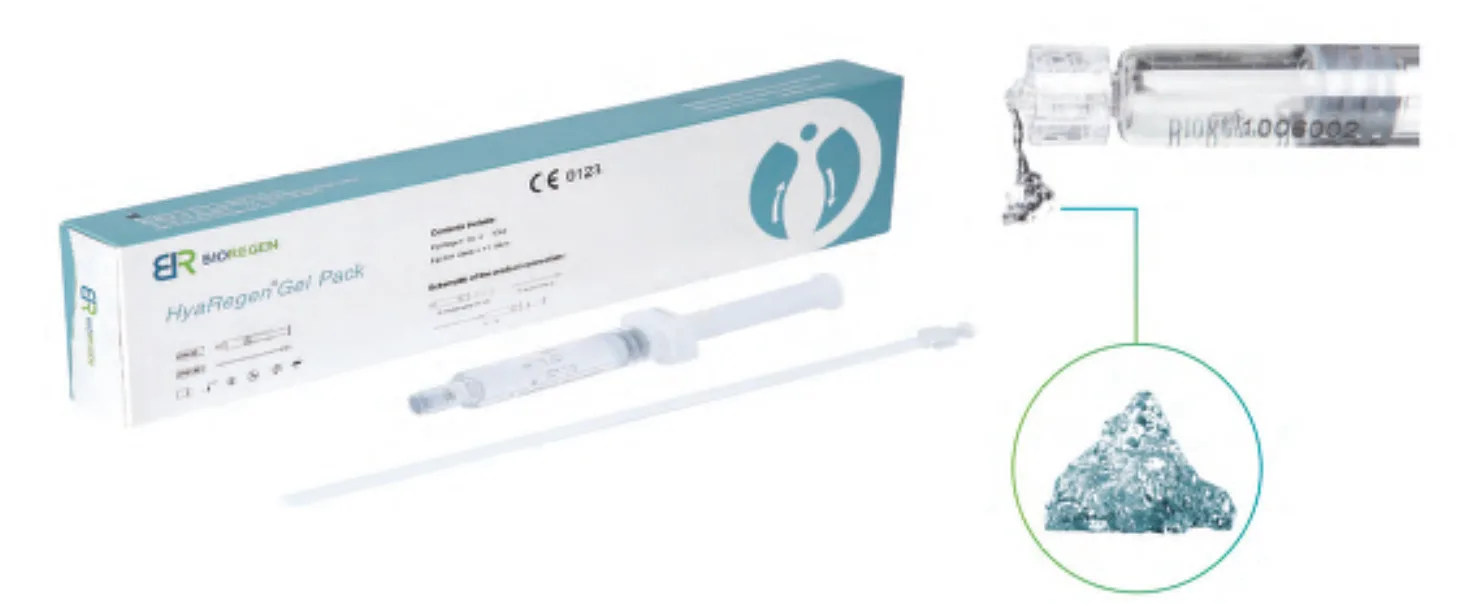
Explore HyaRegen crosslinked HA adhesion barrier gel for gynecological surgery: features, clinical evidence and the 10 mL presentation.
Read article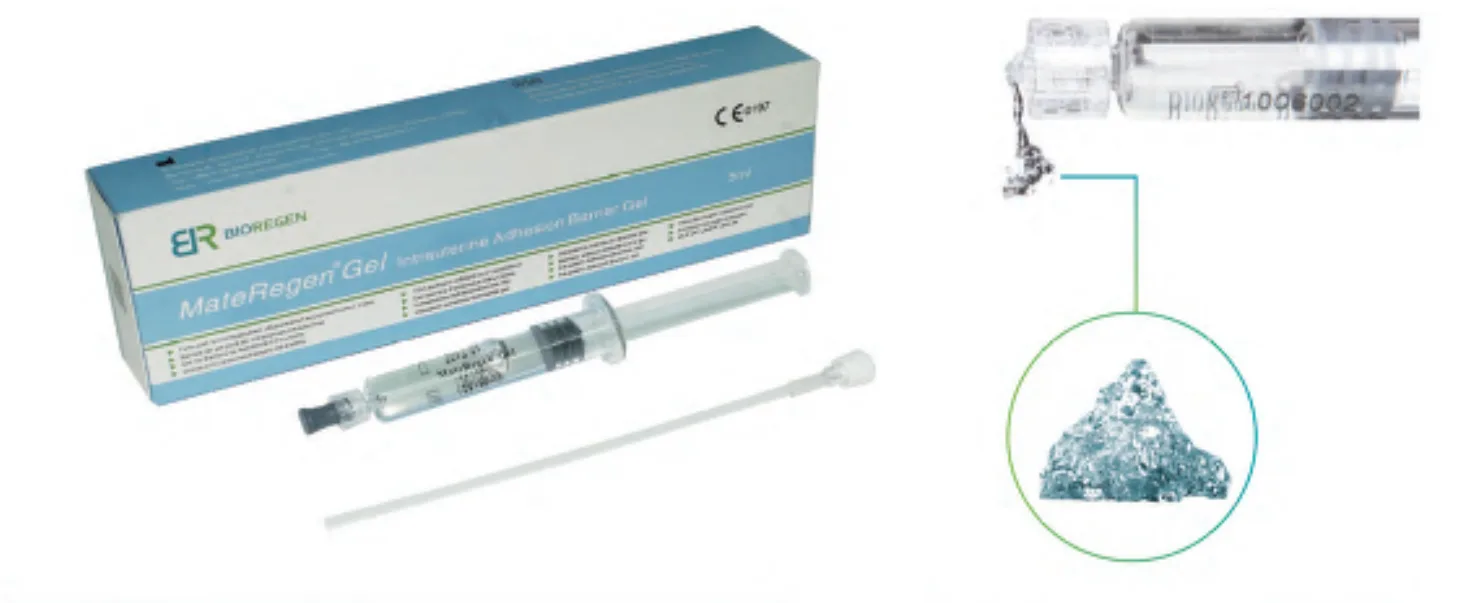
Meet MateRegen crosslinked HA gel for intrauterine adhesion barriers: hysteroscopic use, clinical evidence and 3 mL / 5 mL presentations.
Read article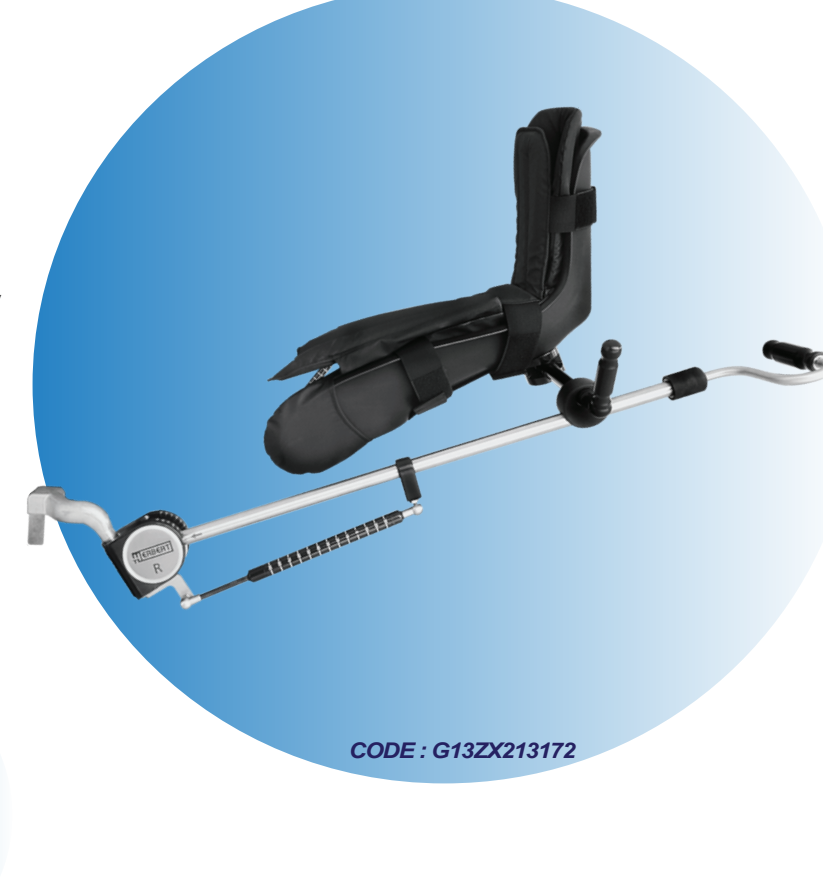
Compare patient groups, adjustment axes, boots, pads, clamps and quotation scope with Herbert ST103T, ST130TK and gynecology/APT leg-holder information.
Read articleContact our team to confirm models, specifications, equipment and supply terms.