
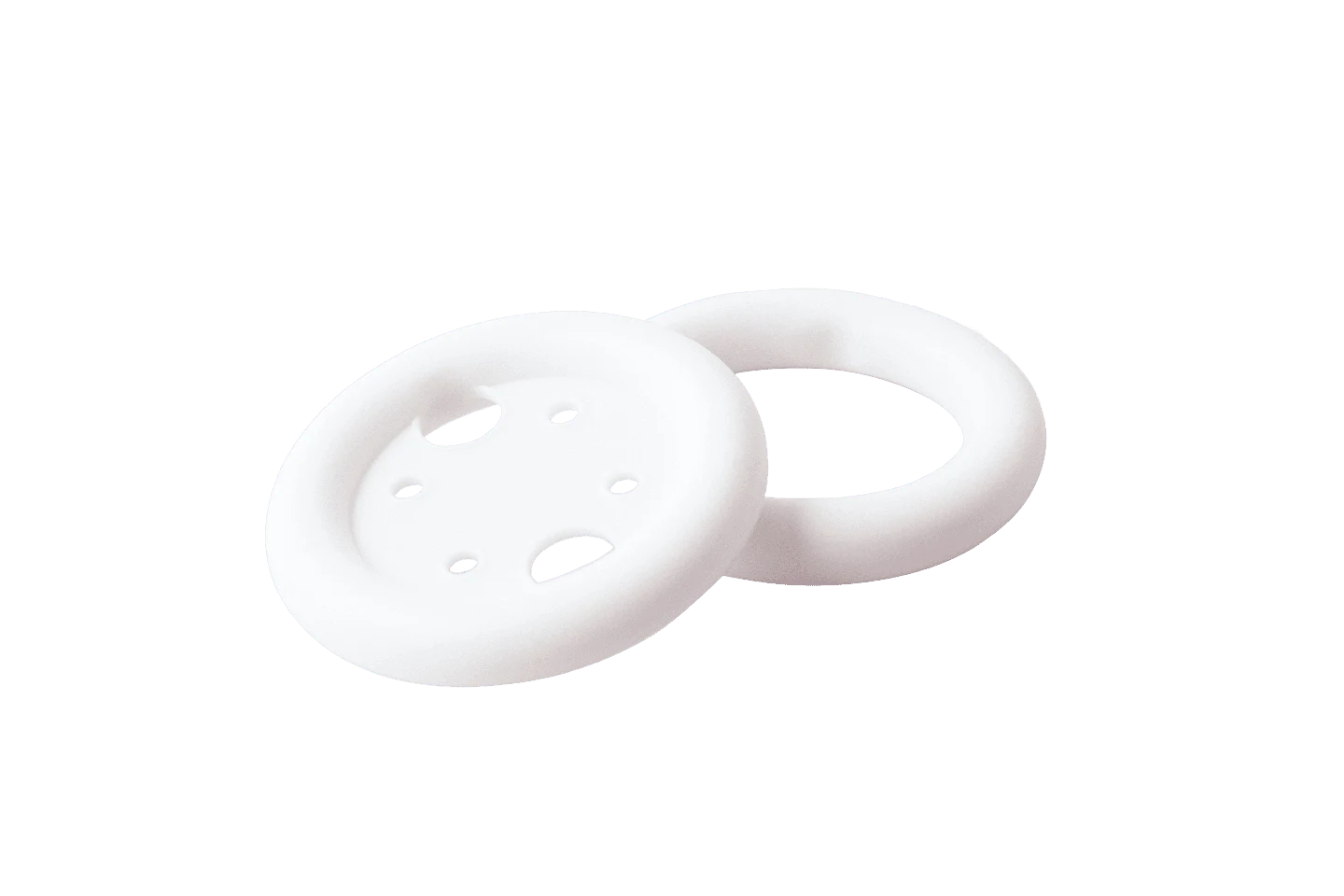
A vaginal pessary supports pelvic organs and can reduce symptoms of pelvic organ prolapse. Successful use depends on an appropriate fit, a care plan matched to the device and continued follow-up. [2,3]
From historical supports to modern devices
Bioteque's brochure describes the evolution from historical materials to ring designs and modern silicone devices. Today's choices should reflect anatomy, symptoms and the individual's ability to manage the device. [1,2]
What does a pessary do?
Pelvic organ prolapse (POP) occurs when supporting structures weaken, allowing the vaginal walls or uterus to descend. Symptoms can include a vaginal bulge, heaviness and bladder or bowel difficulties. A pessary provides support while worn; it does not guarantee a permanent anatomical cure. It may be an alternative to surgery or used while awaiting surgery, with pelvic floor muscle training considered as part of care. [2,3]
Different shapes need different care plans
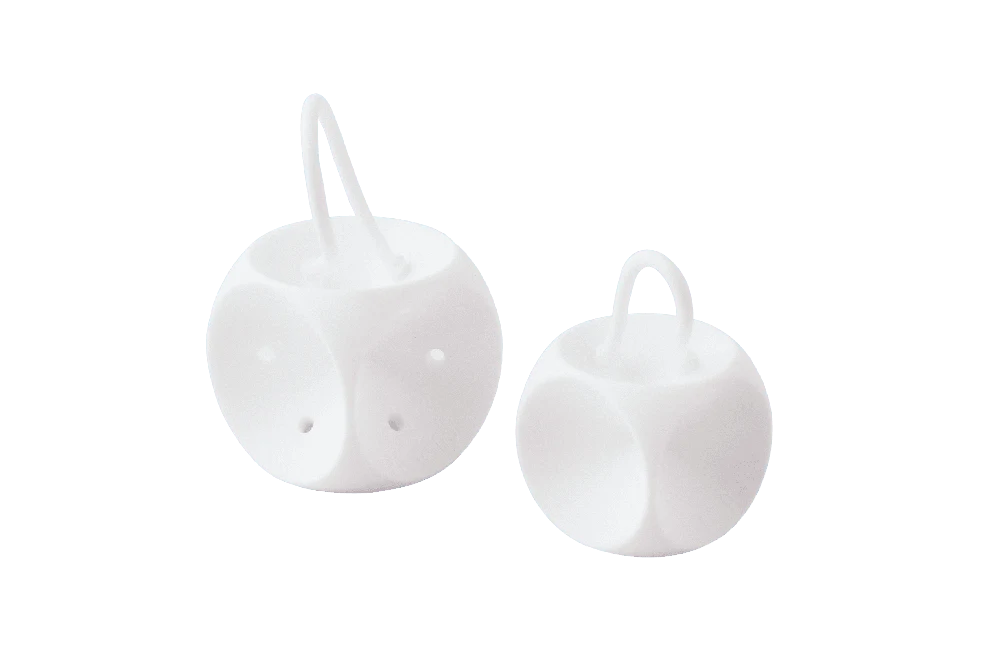
Bioteque's range includes Ring, Ring with Support, Gellhorn, Cube and Donut devices. The manufacturer's selection chart supports clinical discussion rather than replacing examination and fitting. [4]
Device type, comfort, symptom control and self-management ability matter. For example, Cube pessaries need daily removal under their specific care plan; instructions for a ring should not be applied to every design. [5]
Fitting is an assessment, not just a size number
Finding a suitable type and size may take more than one visit. Comfort, retention and the ability to empty the bladder should be checked. Pain, pressure or recurrent expulsion warrants reassessment rather than continued uncomfortable use. [2,6]
Everyday care
- Learn self-management from a trained healthcare professional. Contact the clinic if removal is difficult or painful; do not use instruments or force.
- Follow the device-specific cleaning instructions and agreed schedule. There is no single cleaning interval for all pessaries.
- Wash hands before handling. Do not douche unless advised by the healthcare team.
- Record the type, size, cleaning dates and next appointment. [1,5]
Follow-up and symptoms to report
Reviews assess symptom control, fit, vaginal tissue and device condition. The cleaning schedule and clinic review interval are separate parts of the care plan. Contact the team before the planned appointment for abnormal bleeding, vaginal pain or offensive discharge. Increased discharge alone does not establish an infection. [6,7]
Common questions
Sex and contraception: Some pessary types can remain in place during intercourse. Discuss the particular device and comfort with the clinician. A support pessary is not contraception. [1,2]
Long-term use: Duration depends on treatment goals and reassessment. Some people use a pessary while waiting for surgery; others choose ongoing conservative care. [2]
Medical imaging: Tell the imaging team the exact model and material. Bioteque's brochure flags metal-containing Gehrung and Hodge devices. Removal requirements must be checked against the model documentation and the planned examination. [1]
Explore Bioteque Pessaries, read the clinical selection overview, or request product documentation.
General education about pelvic support devices. Clinical assessment and model-specific instructions guide fitting and care. This article is not an insertion/removal manual or guidance on obstetric pessary use.
References
- Bioteque Europe: The Use and Care of Pessaries. Starting source and ring illustration, interpreted alongside the references below.
- RCOG: Pelvic organ prolapse.
- NICE NG123 recommendations.
- Bioteque: Pessary Selection Chart v3.0.
- CUH: Pessary self-management, March 2025.
- CUH: Vaginal pessaries for POP.
- UKCS: UK Pessary Guideline 2025.
Sources checked 13 November 2026.
Find out more
Products in this article
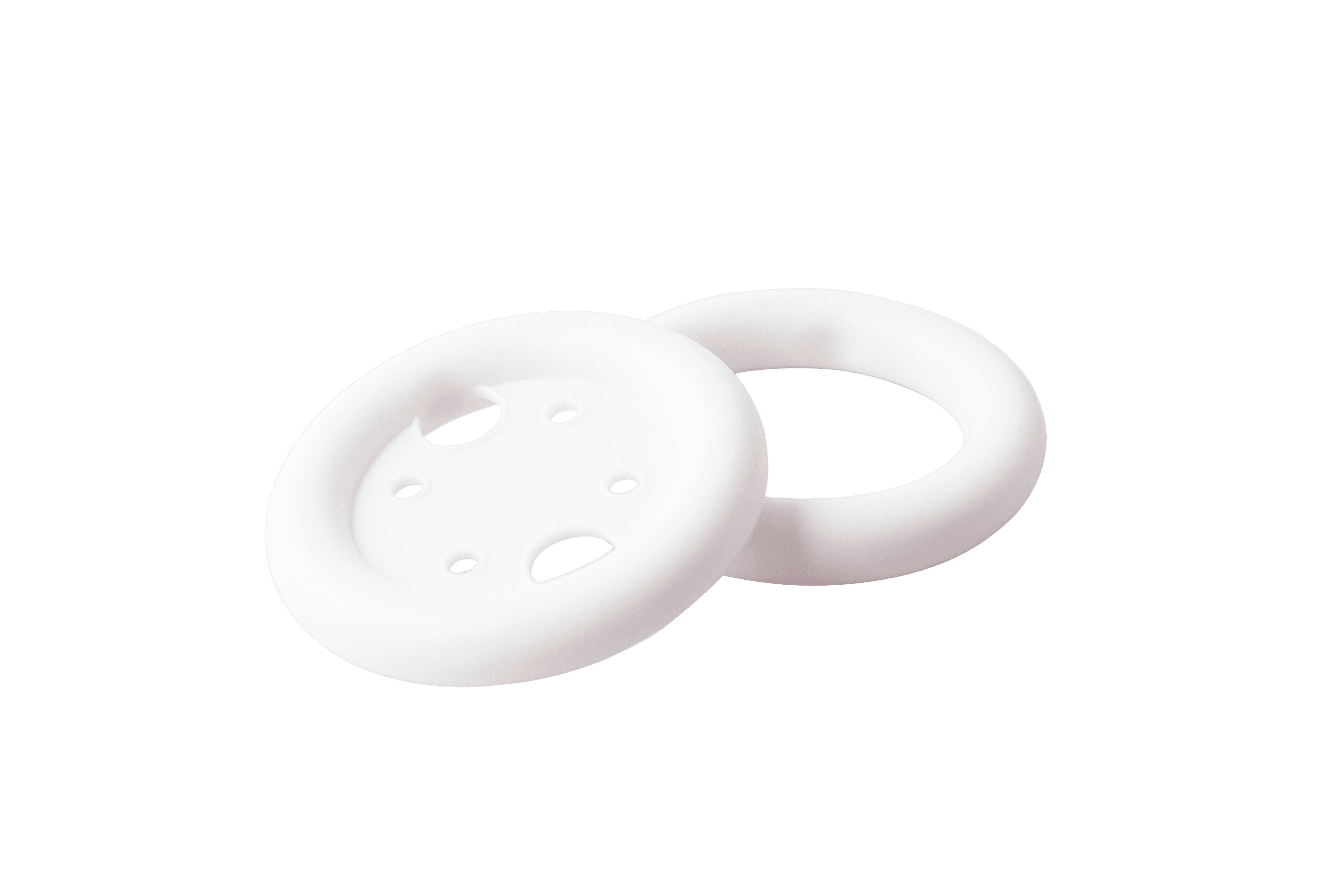
Bioteque Pessaries · Pelvic support
Bioteque pessary family for mechanical pelvic organ support and management of pelvic organ…
View product