
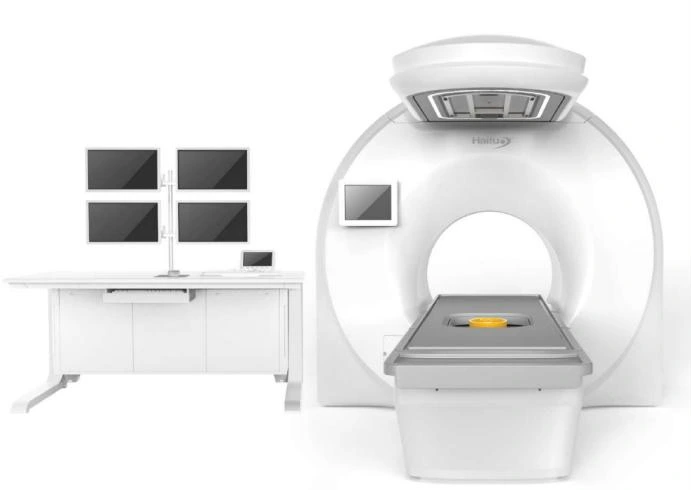
HIFU (High-Intensity Focused Ultrasound) concentrates ultrasound energy on target tissue to produce ablation from outside the body. This article concerns therapeutic tumor systems, with a focus on information for gynecology teams and healthcare institutions. [1,2]
How focused ultrasound works
A transducer concentrates ultrasound into a focal region. Energy delivered according to the treatment plan produces local heating and coagulative tissue necrosis. Imaging and planning software help define the target, sequence treatment regions and monitor energy delivery. [1]
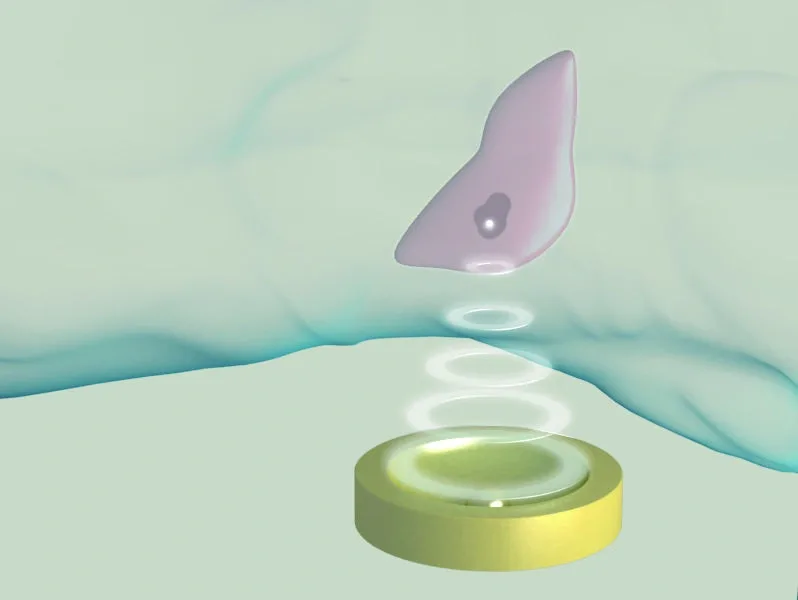
Focal dimensions, acoustic output and electrical power describe different properties. A millimeter-scale focus is not the maximum treatable tumor size and does not guarantee a clinical outcome.
Context for symptomatic uterine fibroids
Clinical teams assess HIFU alongside symptoms, target location, diagnostic imaging and patient goals. Keeping the uterus and guaranteeing fertility are different outcomes and should be discussed separately.
For ultrasound-guided HIFU in symptomatic fibroids, NICE HTG523 describes limited-quality efficacy evidence, recognised risks such as skin burns, possible persistent or recurrent symptoms and further treatment, and uncertainty about fertility and pregnancy. It recommends multidisciplinary selection, specialised centres, trained clinicians, and special arrangements for governance, consent and outcome monitoring. This is UK guidance, not evidence of Thai device registration. [3]
Identify the imaging workflow
- US-guided HIFU: ultrasound guides targeting and monitoring; the Haifu systems presented here use this approach.
- MRI-guided focused ultrasound: an MRI-guided workflow. Check the imaging method and device used in a study before applying its results to a proposed system.
A ring-shaped housing does not establish that a system is MRI-guided. Confirm the actual model's imaging specifications.
Haifu JC200 and JC300
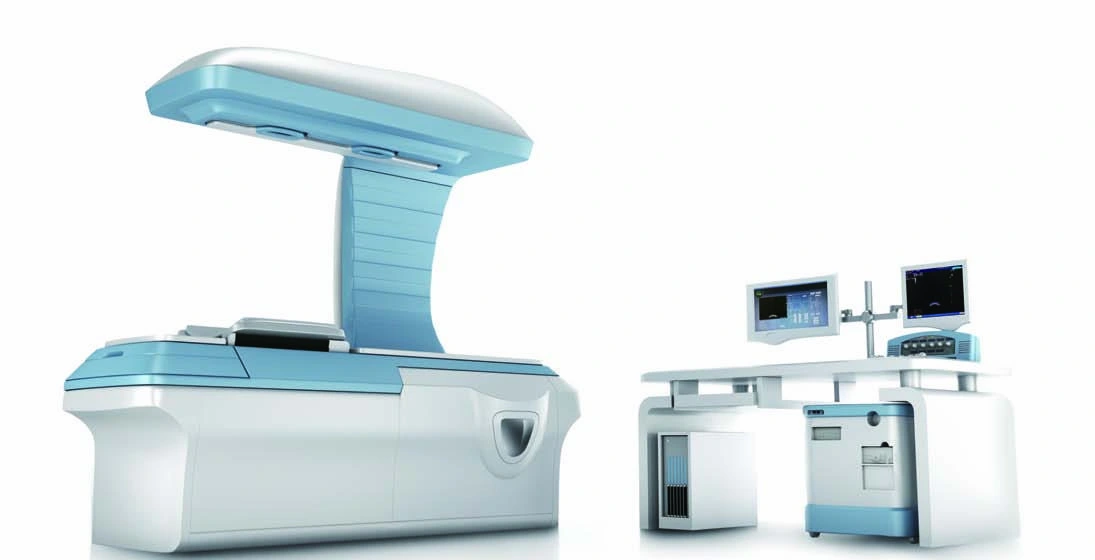
Haifu JC200 has catalog information covering TPS, six-dimensional motion and real-time ultrasound monitoring, together with acoustic, electrical and room requirements for initial project planning. [1]
Haifu JC300 is a JC Series Focused Ultrasound Tumor Therapeutic System. Request current JC300-specific documentation for the configuration and site requirements. [2,4]
The 2023 company profile provides manufacturer context. Historical treatment counts and approvals do not replace current model- and market-specific documentation.
Information for institutional planning
- Intended clinical service, users and referral workflow.
- Device model, imaging, software and the complete supplied configuration.
- Room plan, delivery route, electrical supply, water and supporting areas.
- Training, maintenance, acceptance checks and outcome monitoring.
- Model- and country-specific registration, intended use, instructions and after-sales scope.
Start with the service requirements and the correct model
Contact Tawanmcweis for JC200/JC300 information, installation requirements and an institutional quotation. Individual treatment decisions belong to the treating clinical team.
References
- Haifu JC200 Catalogue, PDF pages 2–3 and 6.
- About Haifu Medical V2023, PDF pages 1–3.
- NICE HTG523: Ultrasound-guided high-intensity transcutaneous focused ultrasound for symptomatic uterine fibroids. Formerly IPG657; moved in January 2026 with unchanged recommendations.
- Haifu Medical: JC300.
คำถามที่พบบ่อย / FAQ
Is this the same as cosmetic skin-tightening HIFU?
This article concerns focused ultrasound tumor ablation systems, rather than cosmetic skin-tightening devices. Intended use must be checked for the actual model.
Is HIFU for uterine fibroids suitable for everyone?
No. The treating team must assess symptoms, imaging, target location, the acoustic pathway and patient goals before choosing treatment.
Are JC200 and JC300 specifications interchangeable?
No. Acoustic power, electrical supply, room requirements and configuration require model-specific documentation.
Find out more
Products in this article
Haifu JC200 Focused Ultrasound Tumor Therapeutic System
An extracorporeal high-intensity focused ultrasound system for target-tissue ablation, integrating real-time ultrasound monitoring, treatment planning software …
View productHaifu JC300 Focused Ultrasound Tumor Therapeutic System
A Haifu JC Series focused ultrasound tumor therapeutic system using extracorporeal HIFU with ultrasound-guided monitoring, for specialist treatment-service plan…
View product