Extracorporeal energy delivery
Focused ultrasound deposits energy at the target without inserting an ablation applicator into the lesion.

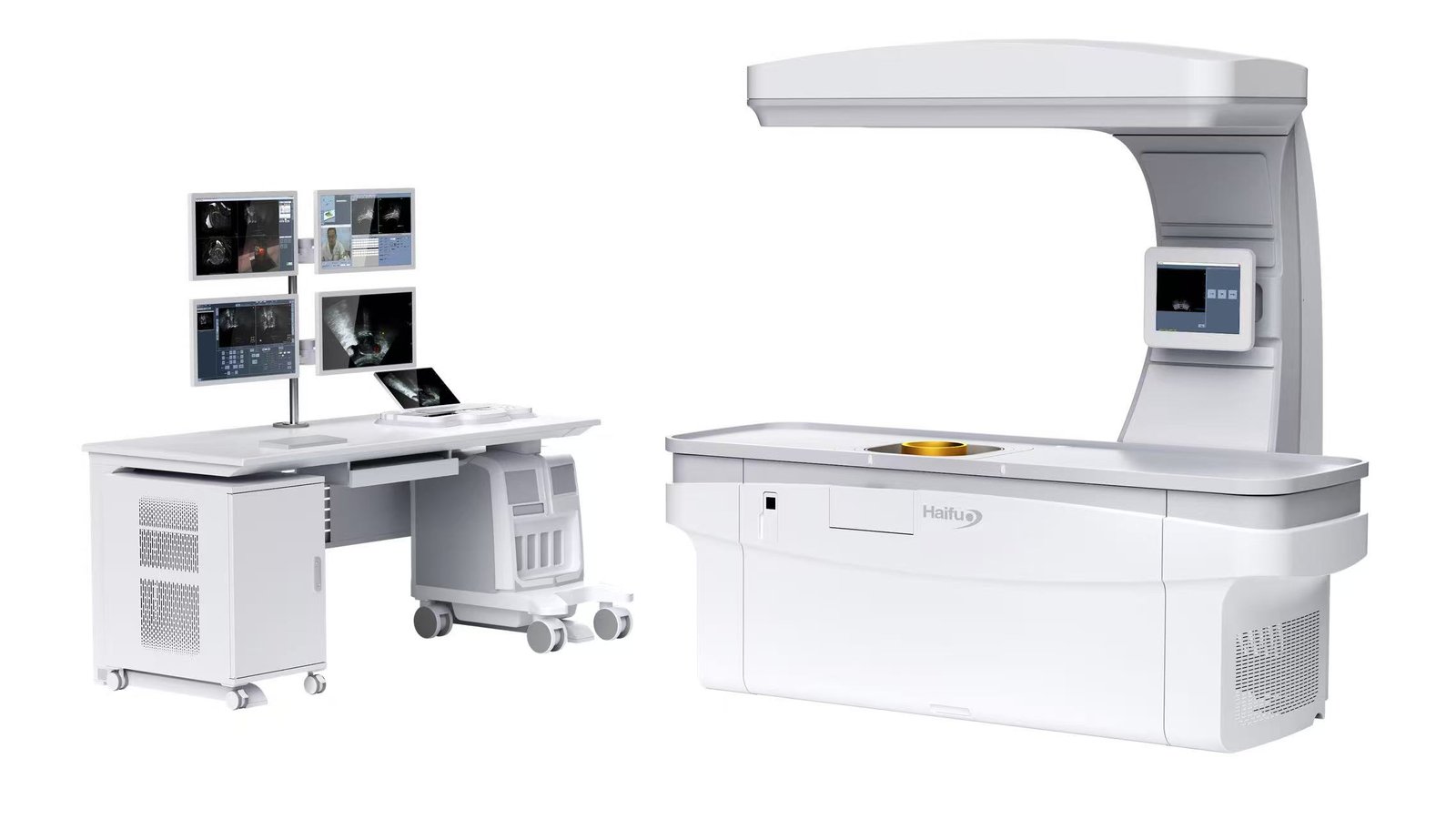
Haifu JC200 combines extracorporeal focused ultrasound ablation with real-time ultrasound guidance, TPS planning and six-dimensional motion for specialist treatment services.
HIFU concentrates ultrasound energy at a focus to produce an effect in target tissue. Guidance, treatment planning and indications are system- and patient-specific.
Product information & documentation ↗Focused ultrasound deposits energy at the target without inserting an ablation applicator into the lesion.
Ultrasound imaging supports target localisation and monitoring during energy delivery.
Consider fibroids, adenomyosis and other tumour applications within the applicable intended use and patient-selection process.
Target definition and layered planning are linked to controlled system motion.
| Specification | Details / value and unit |
|---|---|
| Technology | High-Intensity Focused Ultrasound (HIFU) |
| Image guidance | Real-time ultrasound monitoring |
| Therapeutic frequency | 0.8–2.4 MHz |
| Maximum output acoustic power | 400 W |
| Focal region | 1.1 × 1.1 × 3.3 mm |
| Transducer motion range | X 120 / Y 120 / Z 180 mm |
| Movement control accuracy | ±0.1 mm |
| Accumulated linear tolerance | ±1 mm |
| Specified electrical power | 8.5 kVA |
| Treatment room requirement | At least 20 m² / width at least 3.5 m |
| Electrical supply | Three-phase, five-wire supply with grounding to local requirements |
| Water supply | Flow ≥1 m³/h / pressure 0.1–0.5 MPa |
Focused ultrasound concentrates acoustic energy to produce thermal coagulative necrosis at the target. Clinical response is evaluated with symptoms and follow-up imaging, not intra-treatment appearance alone.
For gynaecology teams, review symptoms, lesion characteristics, acoustic access and uterine-preservation goals. Discuss alternatives, follow-up and the possible need for further procedures.
Application groups include liver, pancreatic, kidney, breast and bone tumours. Listing an organ does not establish eligibility for every patient. Multidisciplinary review should define diagnosis, stage, alternatives and the role of ablation within the locally authorised intended use.
Procurement should cover site review, utilities, acceptance, clinical training, biomedical engineering support and maintenance, allowing readiness and lifetime costs to be assessed together.
Extracorporeal treatment avoids an incision to reach the target, but complications including skin burns remain possible. For symptomatic fibroids, efficacy evidence has quality limitations; use appropriate governance, informed consent and outcome review. Case images or treatment counts do not guarantee success.
JC200 combines TPS target definition and layered planning with ultrasound monitoring and six-dimensional motion. Assess acoustic output, frequency, movement specifications and site requirements separately.
Share room drawings, delivery access, electrical and water provision, intended clinical service and staffing plan for a coordinated equipment, installation, training and acceptance proposal.
Discuss a JC200 system ↗Explore JC300 → · Compare model-specific information before procurement
These videos explain Haifu technology in general; they do not establish the exact JC200 configuration or its treatment outcomes.
English-language treatment footage for healthcare professionals
Open the video ↗ · Original page ↗Dr. Rosie Xing discusses broader applications and research; the talk does not certify every capability for each model.
Watch on YouTube ↗ · Original page ↗Reviewed 10 November 2026. Confirm the model, current documentation and local authorised intended use.
Treatment table, generator, transducer, motion devices, console, ultrasound monitoring, treatment control, water treatment and protective systems. Confirm the exact supplied configuration.
Real-time ultrasound guides treatment alongside TPS planning.
Ablation uses focused ultrasound rather than ionising radiation. Other imaging may be required before or after treatment.
These are listed applications. Symptoms, lesion imaging and acoustic access require individual assessment. Preserving the uterus does not guarantee fertility or pregnancy outcomes.
No. Target visibility, acoustic access, intervening structures and the intended treatment endpoint must be assessed for each patient.
No. Energy-related complications, including skin burns, are recognised. Consent should cover benefits, limitations, alternatives and possible further treatment.
JC200 and JC300 are focused ultrasound tumour therapeutic systems for specialist clinical services. Their intended use and planning requirements differ from cosmetic skin-tightening devices.
Provide the model, intended service, expected workload, room plan, delivery access, utilities, existing imaging and training needs so equipment, installation and service can be specified together.
No. Confirm model-specific acoustic output, frequency, motion, room, electrical and water requirements before design or procurement.
400 W is maximum acoustic output; 8.5 kVA is the electrical power specification. They measure different quantities.
Published requirements include at least 20 m², width 3.5 m, grounded three-phase five-wire supply and specified water provision. Engineering must confirm current installation drawings, support areas and delivery access.
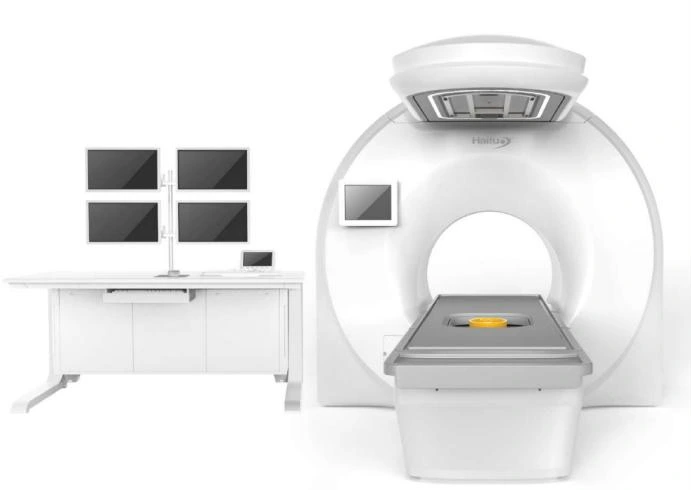
Understand therapeutic HIFU, ultrasound guidance, evidence limitations and institutional planning with Haifu JC200/JC300 information.
Read articleContact our team to confirm models, specifications, equipment and supply terms.